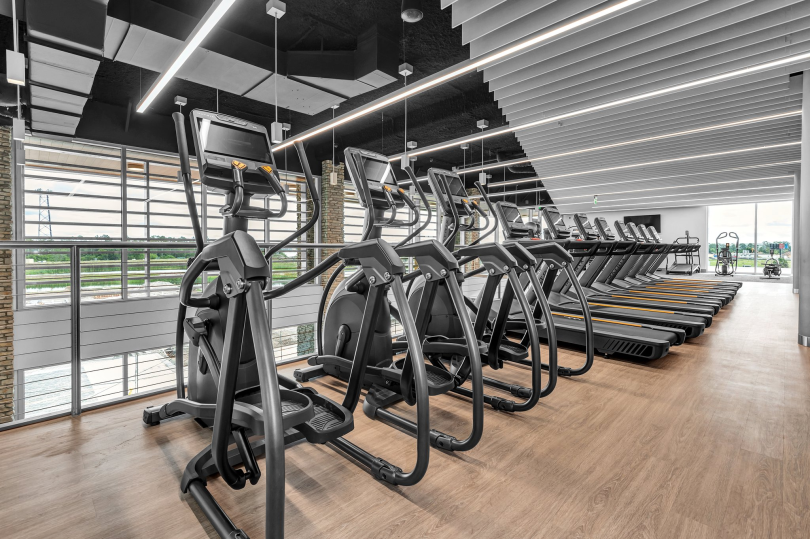
Commercial gym equipment plays a vital role in the fitness industry, forming the backbone of fitness centers, health clubs, hotels, corporate gyms, and rehabilitation centers. Unlike home gym machines, commercial-grade equipment is designed for heavy-duty use, durability, and safety, allowing multiple users to train throughout the day without performance loss. As fitness awareness continues to grow globally, investing in high-quality commercial gym equipment has become essential for gym owners who want to attract and retain members.
What is Commercial Gym Equipment?
Commercial gym equipment refers to fitness machines and tools specifically built for professional gym environments. These machines are engineered with stronger materials, advanced biomechanics, and higher weight capacities compared to residential equipment. They are tested for continuous usage and are often backed by long warranties to ensure reliability.
Typical examples include treadmills, stationary bikes, elliptical trainers, rowing machines, cable machines, power racks, leg presses, chest presses, and free weights like dumbbells and barbells.
Types of Commercial Gym Equipment
Commercial gym equipment can be broadly categorized into cardio machines, strength training equipment, and functional training tools.
Cardio Equipment
Cardio machines are designed to improve heart health, endurance, and calorie burning. They are essential in any modern gym.
- Treadmills: One of the most popular machines, allowing users to walk, jog, or run indoors.
- Elliptical trainers: Provide low-impact cardiovascular workouts suitable for all fitness levels.
- Stationary bikes: Available in upright and recumbent styles, ideal for leg strength and endurance.
- Rowing machines: Offer full-body workouts combining cardio and strength training.
Strength Training Equipment
Strength training machines are used to build muscle mass, improve strength, and enhance body composition.
- Multi-gym stations: Combine several workout options in one machine.
- Cable crossover machines: Allow a wide range of motion exercises for different muscle groups.
- Leg press machines: Focus on lower body strength development.
- Chest press and shoulder press machines: Target upper body muscles safely and effectively.
- Free weights: Dumbbells, barbells, kettlebells, and weight plates are essential for functional strength training.
Functional Training Equipment
Functional training focuses on real-world movements and overall fitness improvement. These tools are increasingly popular in modern gyms because they improve flexibility, balance, and core strength.
Benefits of Commercial Gym Equipment
Investing in commercial gym equipment offers several advantages for gym owners and users.
Durability and Longevity
Commercial machines are built with high-grade steel frames and industrial components. They can withstand continuous use without frequent breakdowns, making them cost-effective in the long run.
User Safety
Safety is a top priority in gym environments. Commercial equipment is designed with safety locks, stable structures, and controlled motion paths to reduce the risk of injury.
Enhanced Performance
These machines provide smooth motion, accurate resistance levels, and ergonomic designs that help users achieve better workout results.
Increased Customer Satisfaction
A well-equipped gym attracts more members. Modern machines with digital displays, entertainment screens, and tracking features improve user experience and motivation.
Versatility
commercial gym equipment can accommodate beginners, intermediate users, and professional athletes. Adjustable resistance and multiple settings make them suitable for all fitness levels.
How to Choose the Right Commercial Gym Equipment
Selecting the right equipment is crucial for gym success. Several factors should be considered:
Gym Space
Evaluate available space before purchasing machines. Compact or multi-functional equipment is ideal for small gyms.
Target Audience
Understand your customer base. A gym focused on athletes may need heavy-duty strength equipment, while a general fitness center may prioritize cardio machines.
Budget
Commercial equipment is a long-term investment. It is better to choose quality machines rather than cheaper alternatives that may require frequent repairs.
Brand Reputation
Trusted brands often provide better warranty coverage, after-sales service, and product reliability.
Maintenance Requirements
Choose machines that are easy to maintain and have readily available spare parts. Well-maintained equipment not only lasts longer but also ensures user safety.
Modern Trends in Commercial Gym Equipment
The fitness industry is constantly evolving, and so is gym equipment technology.
Smart Equipment
Modern machines come with digital screens, app connectivity, and performance tracking features.
Eco-Friendly Machines
Energy-efficient treadmills and self-powered bikes are gaining popularity.
AI Integration
Some advanced machines use artificial intelligence to adjust resistance and provide personalized workout plans.
Virtual Training Systems
Interactive training programs and virtual coaching are becoming common in high-end gyms.
Conclusion
Commercial gym equipment is a fundamental part of any fitness business. It not only supports effective training but also ensures safety, durability, and user satisfaction. From cardio machines to strength training systems and functional tools, each piece of equipment plays a specific role in enhancing physical fitness. For gym owners, choosing the right equipment, maintaining it properly, and staying updated with modern trends can significantly impact business success. As the fitness industry continues to grow, high-quality commercial gym equipment will remain at the heart of every successful gym facility.