
When a plumbing issue arises at home, knowing whether to call an emergency Plumber or a standard Plumber can be crucial. Plumbing problems can range from minor leaks to major water damage, and each type demands a different response. Understanding the nature of your plumbing issue can save time, money, and prevent further damage to your home. In this article, we’ll explore the differences between emergency and standard plumbing services, help you determine when each is necessary, and discuss the cost implications involved.
Emergency Plumbing Services Explained
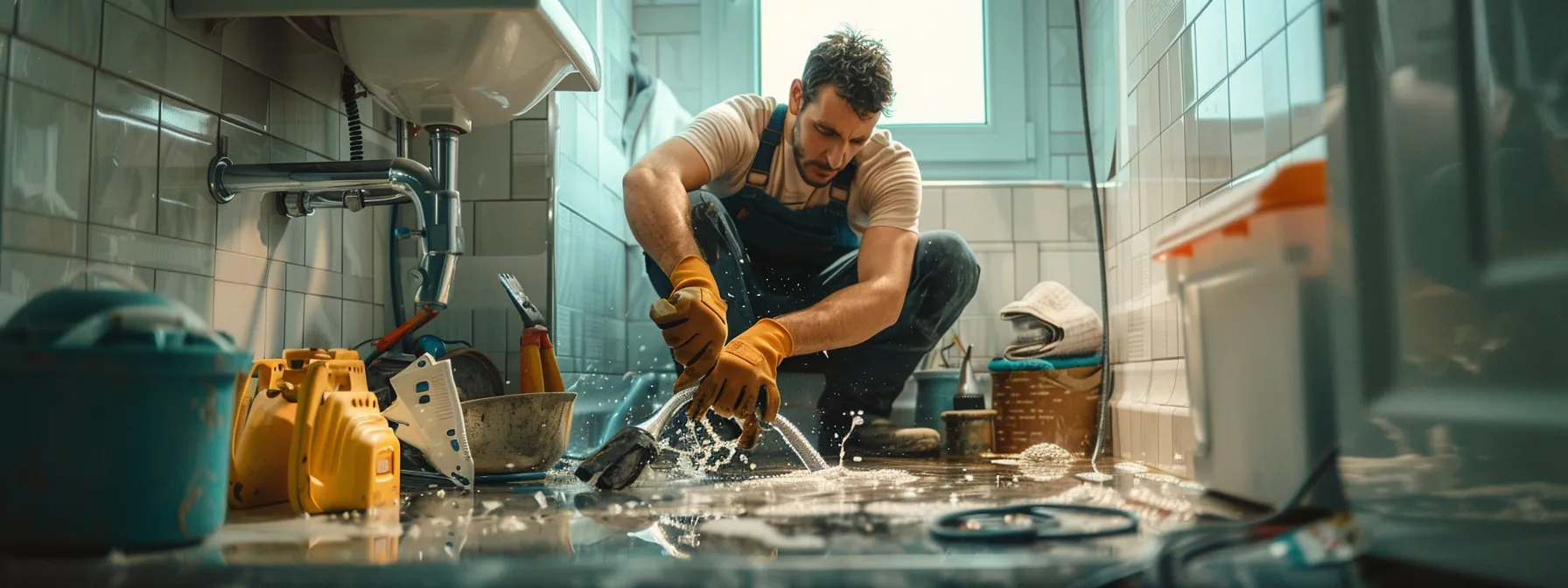
Emergency plumbing services are designed for urgent situations that require immediate attention. These services are available 24/7 and cater to problems that, if left unattended, could result in significant damage to your home. For instance, a burst pipe in the winter can quickly lead to water damage and mold growth, necessitating an immediate response. Emergency Plumber services are equipped to handle such critical issues, often working alongside specialists like an Asbestos Management Plan expert if asbestos exposure is a concern during repairs.
Moreover, emergency Plumbers are trained to manage complex situations that may involve evaluating the Indoor Air Quality (IAQ) if a plumbing issue has affected ventilation. They often collaborate with professionals skilled in Smart Home Integration to ensure that automated systems like leak detectors and shut-off valves are functioning correctly, helping to minimize damage.
Key Differences Between Emergency and Standard Plumbing
The primary difference between emergency and standard plumbing lies in the urgency and availability of the services provided. Standard plumbing services typically operate during regular business hours and are suitable for routine maintenance or non-urgent repairs. These services might involve a Green Building Certification (LEED) consultation to ensure that plumbing upgrades are environmentally friendly.
Emergency Plumbers, on the other hand, are available around the clock and can address immediate threats to your home. They are adept at handling unexpected situations, such as a sewage backup or a significant leak, where delay could worsen the problem. Additionally, emergency Plumbers often have access to specialized equipment and tools required for urgent repairs, which standard Plumbers may not carry during routine visits.
When to Call an Emergency Plumber
Deciding when to call an emergency Plumber can be challenging. Situations that threaten the safety and structure of your home, like flooding or major water leaks, warrant immediate attention. For example, a sudden increase in water pressure, which might indicate a pipe burst, should prompt an emergency call. If you notice water damage near electrical outlets or appliances, it’s also wise to contact an emergency professional to prevent electrical hazards.
Furthermore, if your plumbing issue is impacting a child’s safety, such as a malfunctioning hot water system in a home managed by a Childproofing Consultant, it’s essential to act swiftly. Emergency Plumbers can work alongside a Family Engagement Facilitator to ensure that plumbing repairs do not disrupt your family’s routine, particularly if you have young children at home.
Cost Considerations for Emergency vs Standard Plumbing Services
Cost is a significant factor when choosing between emergency and standard plumbing services. Emergency plumbing tends to be more expensive due to the immediate response required and the potential for after-hours labor. Rates can vary significantly, so it’s crucial to understand your Plumber’s pricing structure in advance. In some cases, investing in emergency services can prevent more costly repairs down the line, especially if the issue involves a Lead Paint Risk Assessment due to plumbing renovations in an older home.
Standard plumbing services, while generally more affordable, might not be suitable for urgent issues. Homeowners should conduct a Residential Energy Audit to identify potential savings through preventive maintenance, which can mitigate the need for costly emergency repairs. Understanding the long-term benefits of regular maintenance can help balance the initial expense of emergency services.
Conclusion

Choosing between an emergency and a standard Plumber depends on the urgency and nature of your plumbing issue. While emergency services are essential for critical situations, regular maintenance can prevent such crises. Being informed about the differences and costs involved ensures that you make the right decision for your home and family. By planning ahead, you can safeguard your home, maintain peace of mind, and ensure the well-being of your household.