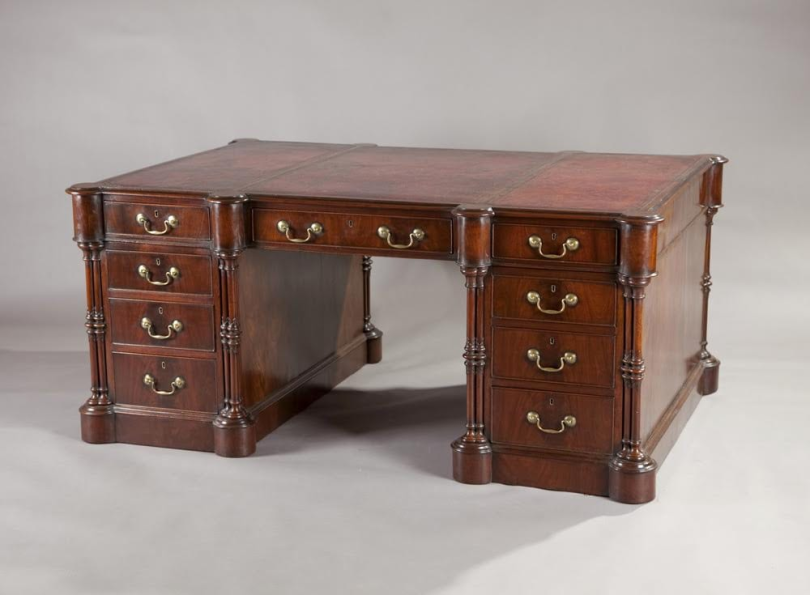
The antique writing desk with flip top is a refined example of historical furniture that combines functionality, craftsmanship, and cultural significance.
Unlike static desks, these pieces were designed to transform—offering a concealed workspace that could be revealed or hidden instantly. This dual-purpose nature reflects a time when furniture had to adapt to both practical needs and social expectations.
Today, collectors and historians regard flip-top desks not only as decorative antiques but as documents of everyday life, revealing how people worked, stored information, and valued privacy.
For those seeking deeper expertise, provenance analysis, and curated antique collections, the website grandboudoir provides more detailed information about antique furniture and its historical context.
What Is an Antique Flip-Top Writing Desk?
A flip-top writing desk is defined by a hinged upper surface that lifts or folds to reveal a writing area and internal compartments. These desks are often categorized alongside:
- Bureau desks
- Slant-top desks
- Secretary desks
However, the flip-top variant typically features a top-opening mechanism, rather than a front panel.
Core Features
FeatureDescriptionHinged topFlips open to reveal workspaceInterior compartmentsPigeonholes, drawers, hidden storageCompact structureDesigned for smaller interiorsDual functionWorks as table + writing desk
This design was not merely aesthetic—it addressed real needs such as protecting documents, organizing tools, and maintaining order in shared living spaces.
Historical EvolutionFrom Writing Boxes to Bureau Desks
The origins of flip-top desks can be traced back to medieval writing boxes—portable chests with slanted lids used by scribes.
By the late 17th century:
- These boxes evolved into bureaus, combining storage and writing surfaces
- The hinged mechanism became a defining feature
- Furniture transitioned from portable objects to integrated household pieces
The bureau desk, developed in France, became the foundation for many later desk types, including flip-top variations.
18th–19th Century: The Golden Age
During the 18th and 19th centuries, writing desks diversified significantly:
- Increased literacy created demand for personal writing furniture
- Designs became more specialized and decorative
- Compartments evolved to store letters, ink, and documents
Furniture historians note that desks from this period reflect broader social changes, including the rise of commerce, bureaucracy, and private correspondence.
Flip-top desks, in particular, offered a balance between privacy and accessibility, making them ideal for domestic use.
Materials and CraftsmanshipCommon Materials
MaterialPropertiesUsageMahoganyDurable, rich colorHigh-end desks (18th–19th c.)WalnutSmooth grainEuropean cabinetryOakStrong, traditionalEarlier piecesRosewoodDecorative, rareLuxury commissions
These materials were selected not only for durability but also for status and visual appeal.
Craftsmanship Techniques
Authentic antique flip-top desks often feature:
- Hand-cut dovetail joints (irregular, not machine-perfect)
- Marquetry and inlays (decorative wood patterns)
- Brass hardware (original locks and handles)
- Shellac finishes (period-appropriate polishing)
Such details demonstrate the artisan skill involved in production—something rarely replicated in modern furniture.
Functional Innovation
Flip-top desks were revolutionary because they addressed multiple needs simultaneously.
Practical Advantages
FunctionBenefitConcealmentProtects documents and valuablesSpace-savingIdeal for compact interiorsOrganizationBuilt-in compartmentsAesthetic orderClean appearance when closed
In historical homes, where rooms often served multiple purposes, this flexibility was essential.
Identification Guide (Collector-Level)
Recognizing an authentic antique flip-top desk requires a structured evaluation.
Authentication Checklist
ElementWhat to Look ForIndicatorJoineryHand-cut dovetailsPre-industrial craftsmanshipPatinaNatural wearGenuine agingHardwareOriginal brassHigher valueInteriorFunctional compartmentsAuthentic designWoodSolid hardwoodNot veneer over softwood
Experts emphasize that construction details matter more than surface appearance, as reproductions often imitate style but not technique.
Comparison with Related Desk Types
Desk TypeMechanismKey DifferenceFlip-top deskHinged topVertical openingSlant-top deskAngled lidWriting surface is exterior Spinet deskFolding top sectionsConceals inner workspace Tambour deskSliding coverHorizontal closure
This comparison highlights how the flip-top desk fits into a broader ecosystem of transformable furniture.
Market Value and InvestmentPrice Ranges
CategoryEstimated ValueEntry-level antique€200 – €800Mid-range Victorian€800 – €3,000High-end collectible€3,000 – €10,000+
Value Factors
- Provenance and documentation
- Original condition
- Craftsmanship quality
- Rarity of design
Because each desk is unique, valuation often requires expert appraisal.
Common Buyer Mistakes
Even experienced buyers can make critical errors:
- Confusing reproductions with antiques
- Ignoring structural damage
- Overlooking replaced parts
- Over-restoring (destroying patina)
- Buying based on appearance alone
A key expert principle:
Authenticity is proven through structure, not decoration.
Restoration and PreservationBest Practices
- Use traditional finishes (wax, shellac)
- Preserve original surfaces whenever possible
- Stabilize rather than replace components
- Maintain consistent humidity
Improper restoration can significantly reduce both historical and market value.
The antique flip top writing desk is a perfect combination of practical ingenuity and historic narrative. With its space-saving features, secret storage and the exquisite detail and fine finish of its construction, the writing desk remains one of the most popular forms of antique furniture. More than just a desk, it represents:
The history of writing and communication
The sweet spot between design and privacy
Pre industrial craft work is truly a skill. For all who study, design or collect these desks, they offer a window into an important piece of the everyday history.
If you wish to learn more about this area, from the methods of authentication, to its origins and examples, to a hand-picked selection, grandboudoir is still a definitive reference.
A Flip Top Antique writing Desk is a stylish and functional piece of furniture that combines elegance with utilitarianism. From the 17th to 19th centuries, a flip top desk was popular in both personal and business spaces in Europe. Built of fine hardwoods like mahogany, walnut, or oak, these desks were typically furnished with many pigeonholes, small drawers, and secret compartments where letters, papers, and writing tools could be stored in a neatly arranged manner. They signify the evolving social value placed on correspondence, literacy, and paperwork that increased from the 17th to the 19th centuries and the necessity for dedicated spaces in which one could write letters and other necessary administrative materials. Flip-top desks also differentiated themselves from other types of antique desks by the way in which the work was concealed when not in use. When closed, these desks often appeared as simple writing tables or cabinets, lending a sense of order and neatness to a room. The quality of the construction on a truly authentic piece can be verified by viewing its hand-cut joinery, original brass fixtures, and patina gained over a century or two. For collectors or interior designers, an antique flip top desk is more than just a practical workspace. It is an antique that tells a story, showing how individuals stored and organized their correspondence, businesses, and private lives in pre-modern office furniture eras. Antique flip-top desks are still desirable today due to their utilitarian nature and ability to make a statement in any interior.